How Freelancers Lose Money Without Escrow Payments And How to Fix It in 2026
How Freelancers Lose Money Without Escrow Payments And How to Fix It in 2026
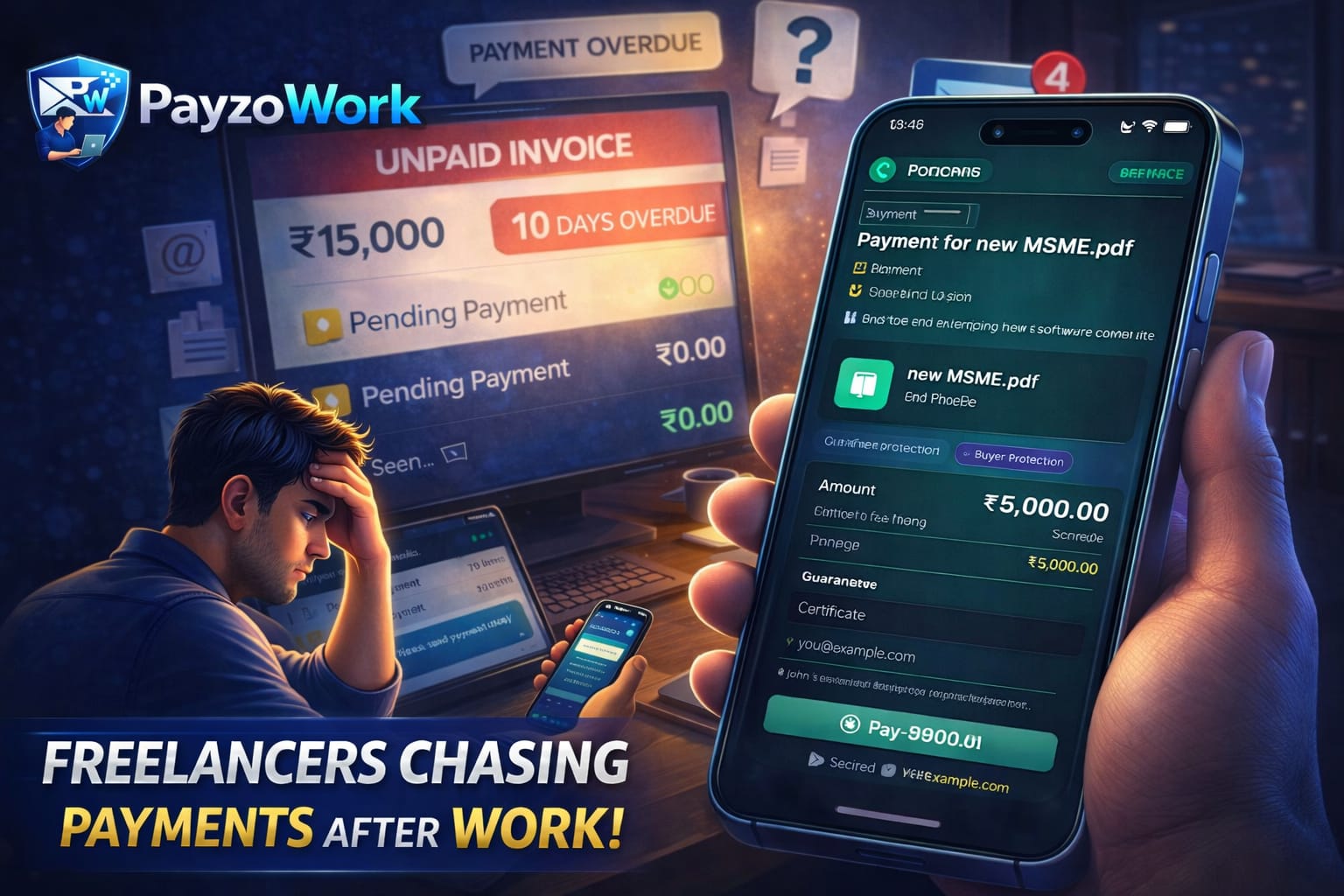
Freelancing has opened the door for millions of professionals to earn online. Designers, developers, marketers, writers, digital product creators, and course sellers are building independent careers across the globe. However, one major problem still threatens freelancers everywhere: getting paid.Many freelancers complete projects, deliver their work, and then wait weeks or even months to receive payment. In many cases, the payment never arrives. Recent studies show that more than 65% of freelancers wait over 30 days to receive payments, while nearly 20% have unpaid invoices at any given time. For freelancers who rely on their income to pay rent, bills, and business expenses, delayed or missing payments create serious financial stress. Without proper payment protection systems, freelancers often take the entire financial risk when working with new clients. In this guide, we explore why freelancers lose money without secure payment systems, common situations where freelancers get scammed or underpaid, how escrow payment systems protect freelancers, and how modern freelancer platforms help secure payments.
The Hidden Payment Crisis in Freelancing
Freelancing continues to grow rapidly around the world, but payment protection systems have not evolved at the same pace. Many freelancers still depend on outdated payment methods such as direct bank transfers, manual invoices, WhatsApp agreements, and verbal payment promises. While these methods may work with trusted clients, they create serious risks when working with new clients. Research shows that a large percentage of freelancers experience late payments at least occasionally. Many freelancers spend hours every month chasing clients for invoices and payment confirmations. In countries with rapidly growing freelance economies, delayed payments are even more common. Many freelancers report experiencing delayed or missing payments during their careers. Without proper payment infrastructure, freelancers carry almost all the financial risk in client projects.
Common Client Payment Risks Freelancers Face
Freelancers often encounter several payment-related risks when working directly with clients. Understanding these risks is important for protecting freelance income.
Clients Disappear After Project Delivery
One of the most common freelancer payment scams happens after the project is delivered. A freelancer completes the project, sends the final files, and waits for payment. Suddenly, the client stops responding. Emails are ignored, messages go unanswered, and the payment is never sent. Without a secure payment system or agreement in place, the freelancer loses weeks of work without receiving any compensation.
Clients Delay Payments for Weeks or Months
Some companies intentionally delay freelancer payments. Large businesses sometimes set payment terms such as 30 days, 60 days, or even 90 days. For freelancers who rely on consistent cash flow, waiting months for payment can create major financial problems.
Scope Disputes
Another common issue occurs when clients claim the project is incomplete or not exactly what they expected. Clients may request multiple revisions before approving payment. In some cases, this process continues for weeks, leaving freelancers uncertain whether they will ever receive full payment. Without clear payment protection, freelancers often end up doing extra work without compensation.
Partial Payments
Partial payments are another common risk in freelance projects. For example, a freelancer may agree to complete a project for $1000. After delivery, the client sends only $300 and then disappears. Since there is no payment security system in place, the freelancer has no control over the remaining payment.
Real Freelancer Scenarios That Happen Every Day
Freelancers across the world experience similar payment problems. These situations occur regularly in direct client relationships.
The Ghost Client
A freelance developer builds a website for a startup. After delivering the final website files, the client asks for a few last adjustments and promises to send payment within 24 hours. After receiving the final files, the client disappears and never sends the payment. The freelancer loses several weeks of work.
The Revision Trap
A graphic designer completes a branding project and sends the designs to the client. Instead of approving the work, the client asks for a few small changes before payment. After completing those revisions, the client asks for additional adjustments again. This cycle continues until the freelancer eventually stops working on the project without receiving payment.
The Digital Product Buyer
Many freelancers sell digital products such as templates, automation systems, digital marketing services, or online courses. In some cases, the buyer downloads the product and then disputes the payment afterward. Without a secure payment system, freelancers have very limited protection against these situations.
What Is an Escrow Payment System?
An escrow payment system is a secure method of handling payments between freelancers and clients. Instead of paying the freelancer directly, the client first deposits the payment into a secure escrow account. The funds remain safely stored until the project is completed. The typical escrow workflow works as follows. First, the client deposits the agreed payment into escrow. Next, the freelancer begins working on the project. After completing the project, the freelancer delivers the final work to the client. Once the client approves the work, the payment is released from escrow to the freelancer. This system ensures that the freelancer never begins work without secured payment funds.
How Escrow Payments Protect Freelancers
Escrow payment systems solve many of the common payment risks freelancers face.
Payment Is Secured Before Work Starts
With escrow, the freelancer knows that the client has already deposited the funds before the project begins. This removes the risk of working without guaranteed payment.
Milestone Payments for Large Projects
Freelancers can divide larger projects into milestones. Each milestone has a separate payment that is released once a specific stage of the project is completed. This structure significantly reduces financial risk during long projects.
Payment Dispute Protection
If a disagreement occurs between the freelancer and the client, escrow platforms often provide dispute resolution or mediation. This helps ensure that payments are handled fairly for both parties.
Better Trust Between Clients and Freelancers
Escrow systems create transparency and accountability. Clients feel confident that they will receive the promised work, and freelancers feel confident that their payment is secure. This creates a healthier and more professional working relationship.
How PayzoWork Helps Freelancers Get Paid Securely
Modern freelancers need better infrastructure designed specifically for independent professionals. PayzoWork provides a platform that helps freelancers, agencies, digital product sellers, and course creators manage secure transactions with clients. One of the most important features is secure escrow-style payments. Clients deposit funds before the project begins, ensuring that freelancers work with payment protection. The platform also includes professional invoice generation, allowing freelancers to create invoices quickly and maintain organized financial records. Because payments remain secured until project completion, freelancers do not need to rely on risky direct payments or manual agreements.This system allows freelancers to focus on delivering high-quality work rather than spending time chasing payments.
Who Should Use Escrow Payment Systems?
Escrow payment systems are useful for many professionals working in the digital economy. Freelancers such as designers, developers, writers, and marketers can use escrow systems to secure project payments. Agencies that manage multiple clients can use escrow payments to maintain structured financial workflows. Digital product sellers who offer templates, software tools, or design assets can protect their payments through secure transactions. Course creators selling online education products can also benefit from payment protection. Consultants, business strategists, and marketing advisors can ensure their services are paid for through escrow-based payment agreements.
Frequently Asked Questions (FAQ)
What is escrow payment for freelancers?
Escrow payment is a secure payment system designed to protect both freelancers and clients during a project. Instead of paying the freelancer directly, the client first deposits the project payment into a secure escrow account. The funds remain safely stored until the freelancer completes the work and the client approves the delivery. Once the project is approved, the payment is released to the freelancer. This system ensures freelancers do not work on projects without guaranteed payment.
How can freelancers protect their payments?
Freelancers can protect their payments by using structured payment systems instead of relying on verbal agreements or manual transfers. The safest approach is to request upfront payments or use escrow-based platforms that hold the client’s payment before work begins. Creating professional invoices, defining clear project scope, setting milestone payments, and using secure platforms such as PayzoWork can also help freelancers reduce payment risks and maintain a reliable income stream.
What is the safest payment method for freelancers?
The safest payment method for freelancers is an escrow-based payment system where the client deposits funds before the project begins. This ensures the payment is secured and released only after the agreed work is completed. Escrow systems reduce the risk of unpaid work, payment delays, and client disputes. Many freelancers use secure payment platforms like PayzoWork that combine escrow protection, invoice generation, and order tracking to manage transactions safely.
Final Thoughts
Freelancing offers freedom, flexibility, and the ability to work with clients around the world. However, payment risks remain one of the biggest challenges freelancers face. Late payments, client ghosting, and invoice disputes cost freelancers thousands of dollars every year.The most effective solution is simple: never start a project without payment protection. Escrow payment systems allow freelancers to work with confidence because they know the payment is secured before the work begins.By using platforms that support escrow-style payments and secure transaction systems, freelancers can protect their income and build more sustainable freelance businesses in 2026 and beyond.